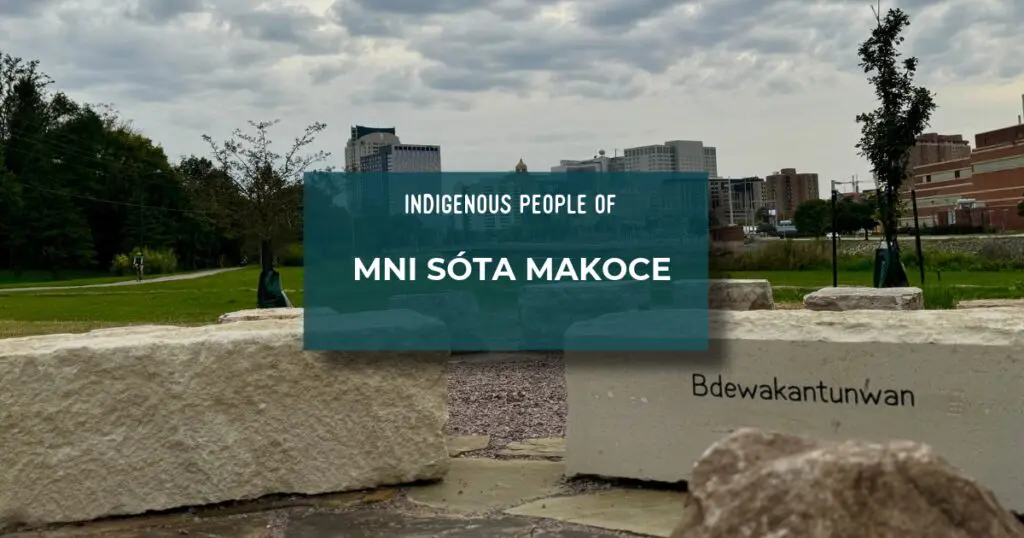
 November is Native American Heritage Month, also referred to as American Indian and Alaska Native Heritage Month. The National Congress of American Indians calls it “a time to celebrate rich and diverse cultures, traditions, and histories and to acknowledge the important contributions of Native people,” and a time to learn about the challenges that impact Indigenous people specifically, both historically and today. This Native American Heritage Month, we are focusing on the original inhabitants of the land we now call Minnesota. This collection is not comprehensive; instead, it is meant to be a starting point to learn more about the Native Americans in the area where we now live, from the past through the present.
Where are you?
A Guide to Indigenous Land Acknowledgment
This guide was created by the Native Governance Center, a Native-led nonprofit based in St. Paul that helps Native nations strengthen their governance systems and their capacity to exercise sovereignty. It serves the Native nations that share geography with Mni Sota Makoce, North Dakota, South Dakota, and Nebraska.
Native Land
Use this helpful tool to identify which native lands you were born, raised, and continue to live on. The website was created and is maintained by an Indigenous-led, Canadian nonprofit organization to help start conversations “about the history of colonialism, Indigenous ways of knowing, and settler-Indigenous relations.”
Mni Sota Makoce (Minnesota)
A Dakota phrase meaning “Land Where the Waters Reflect the Clouds,” as Gwen Westerman and Bruce White explain in Mni Sota Makoce: The Land of the Dakota (2012).
Rochester, Minnesota
Rochester stands on land that was home to the Wahpekute and Bdewakantunwan (Mdewakanton) Dakota, part of the alliance called Oceti Šakowiŋ, The Seven Council Fires, until it was ceded in the 1851 Treaty of Mendota. Long before that, people of the Oneota culture, ancestors of the Ioway, Otoe and other nations, lived along the rivers of southern Minnesota. Ho-Chunk people are also part of Rochester’s history, and Anishinaabe and other Indigenous people live in this area today.
Wak Pa Wazi Ozu
Silver Lake Park, Rochester, MN
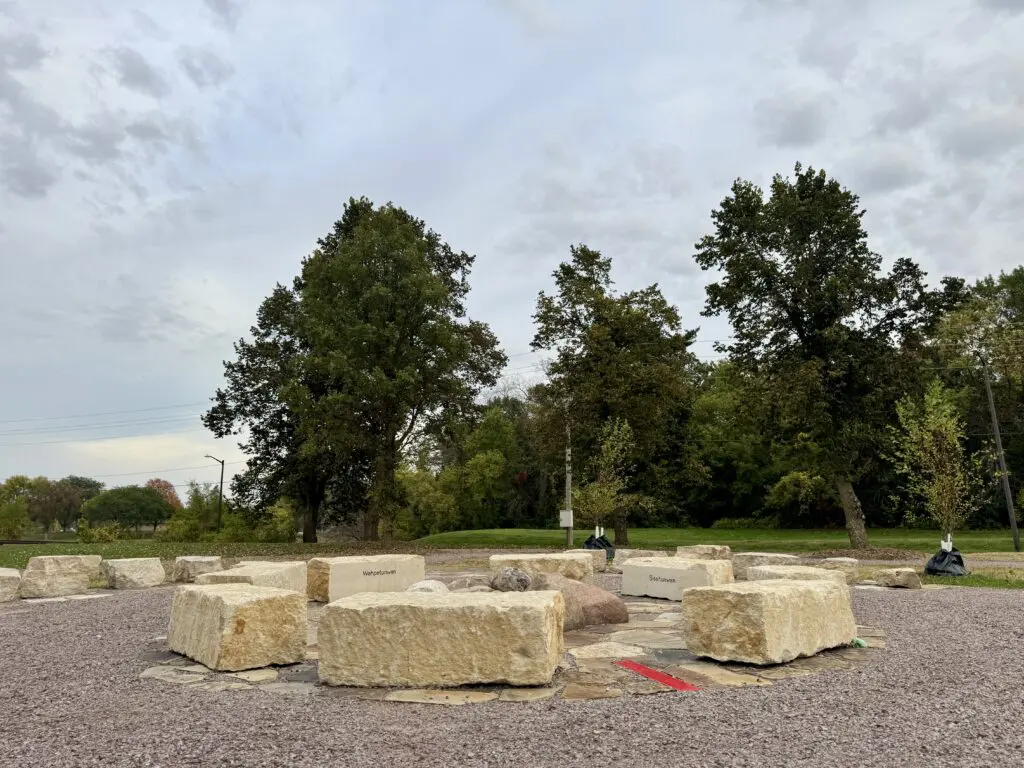
A gathering and reflection space at the confluence of the South Fork of the Zumbro River and Silver Creek, near Silver Lake Park. Its name means “pine tree planted river,” the original Dakota name for the Zumbro. The city created the space in collaboration with the Greater Rochester Area Dakota Supporters (GRADS) as one of the first completed pieces of the Silver Lake Master Plan, and it was dedicated on September 15, 2025.
Indian Heights Park
1800 Terracewood Drive NW, Rochester
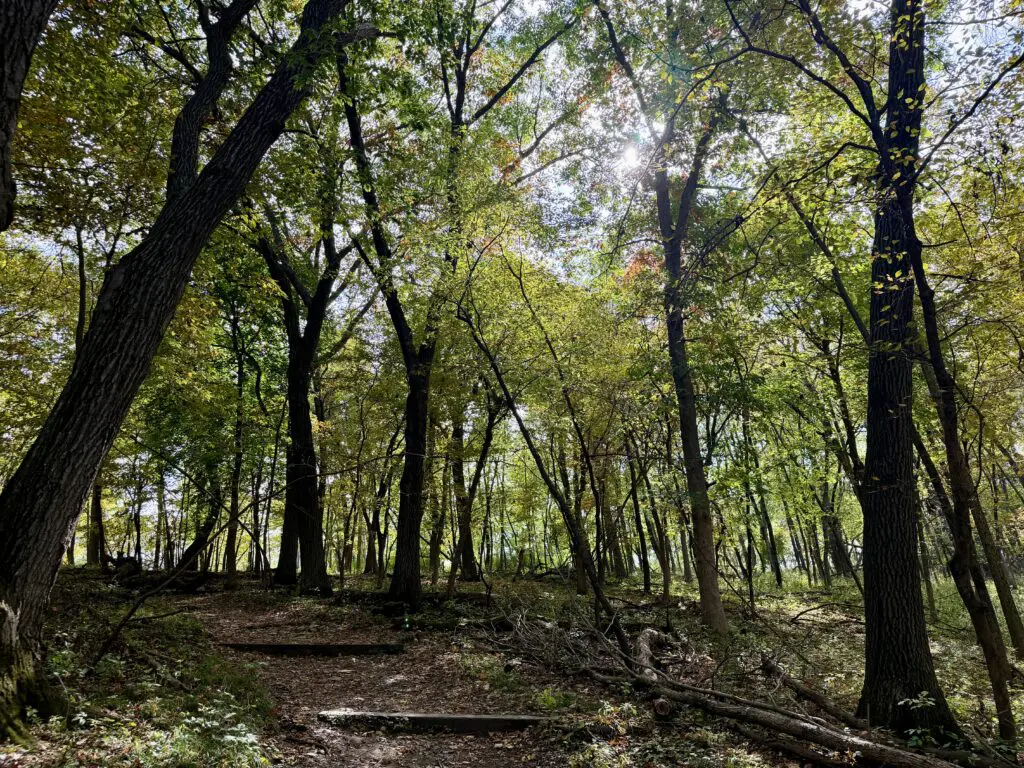
About 40 acres of woods and unpaved trails between Assisi Heights and the Zumbro River, on one of the highest hills in the city. Dakota oral tradition holds this hill sacred as a place for ceremony and burial, with camps along the river below. Settler records from 1854 document one of those camps, when about 200 Wahpekute Dakota wintered along the Zumbro and several who died, including Chief Chaske, were buried on the bluff. In 2012, Dakota leaders and elders held a healing and reconciliation ceremony in the park, and the city has since considered it for local historic landmark designation. Please visit respectfully and stay on the trails.
History
Oceti Šakowiŋ, The Seven Council Fires
Virtually view and learn about Oceti Šakowiŋ, The Seven Council Fires, through the Minnesota Historical Society’s collection of Dakota, Lakota and Nakota artifacts.
The US-Dakota War of 1862
Dedicate some time to visit the Minnesota Historical Society’s virtual exhibit on the US-Dakota War of 1862.
Boarding Schools
For about a century, the federal government and churches removed Native children from their families and placed them in boarding schools meant to erase their languages and cultures, including many schools here in Minnesota. The National Native American Boarding School Healing Coalition shares that history and leads the work toward healing.
Indigenous Lives Today
Arts & Culture
Mnisota Native Artists Alliance
Supporting, highlighting, and cultivating the work of Mnisota’s native artists.
Niibidoon
An Anishinaabe artist from the White Earth Reservation who creates beaded, birchbark, and black ash jewelry, available through the Niibidoon shop on Etsy.
Native Roots Radio Network
A Native American radio talk show based in the Twin Cities focusing on “Mother Earth, Tribal and Twin Cities issues.” Listen weekdays from 5 to 6 p.m. on AM950.
Birchbark Books & Native Arts
Owned by author Louise Erdrich, an enrolled member of the Turtle Mountain Band of Chippewa Indians, Birchbark Books is a full-range bookstore specializing in Indigenous American books, arts & gifts.
Food & Drink
Indígena by Owamni
818 South 2nd Street, Minneapolis, MN 55415
The next chapter of Chef Sean Sherman’s James Beard Award-winning restaurant Indígena by Owamni, now in a larger home inside the Guthrie Theater on the Mississippi Riverfront.
Pow Wow Grounds
1414 E Franklin Ave, Minneapolis, MN 55404
Native Owned Coffee Shop in Minneapolis.
Gatherings Cafe
1530 E Franklin Ave, Minneapolis, MN 55404
An Urban, Native American community cafe inside the Minneapolis American Indian Center that serves fresh, locally grown foods that are indigenous and prepared in healthy ways.
Makwa Coffee
2805 Hamline Ave N, Roseville, MN 55113
An Ojibwe-owned neighborhood coffee shop in Roseville, where makwa means “black bear” in the Ojibwe language. Look for the Ziigwan Sugar Maple cold brew, a shelf of books to borrow, and community events like craft nights and book clubs.
Organizations to Support
Greater Rochester Area Dakota Supporters (GRADS)
A grassroots Rochester nonprofit with a mission of promoting healing and understanding through education and reconciliation. GRADS first approached the city about recognizing Indigenous Peoples’ Day in place of Columbus Day, and each October it gathers at the river’s edge of Silver Lake to honor the Dakota people’s relationship with the waterways that shaped their history. The group also partnered with the city on Wak Pa Wazi Ozu, the Indigenous gathering space at Silver Lake Park dedicated in 2025, and it works to help younger Native people in Rochester feel a sense of belonging.
Minnesota Indigenous Business Alliance
Promotes and supports Native entrepreneurship in every form.
Mni Sota Fund
An urban Native Community Development Financial Institution (CDFI) in the Twin Cities. Its mission is to promote home ownership, entrepreneurship, and financial wellness throughout Indigenous communities in Minnesota.
Division of Indian Work
The DIW’s “mission is to support and strengthen urban American Indian people through culturally-based education, traditional healing approaches, and leadership development.”
Native American Community Development Institute (NACDI)
NACDI initiates projects that benefit the Native community through partnerships to help Native people create the future they envision.
North American Traditional Indigenous Food Systems (NATIFS)
An Indigenous nonprofit focused on Indigenous education and food access, and the owner of Indígena by Owamni.